Smart Water Singapore: Digital Utility Management Roadmap
Smart Digital Water Management supports system control through continuous operational data and automated visibility. In Singapore, the Public Utilities Board advances this shift through the Smart Public Utilities Board Roadmap. By integrating Internet of Things sensing and Artificial Intelligence, utilities strengthen prediction and real-time coordination. These capabilities support resilience, efficiency, and reliable service outcomes.
| Capability | Digital Mechanism | Operational Outcome |
|---|---|---|
| Network Visibility | Wireless Water Sentinel (WaterWiSe) | Real-time monitoring of water quality and distribution efficiency |
| Scenario Testing | Digital Twins | Simulated “what-if” analysis to optimize plant operations |
| Predictive Control | Artificial Intelligence | Assisted decisions and optimized operational configurations |
What is the Wireless Water Sentinel or WaterWiSe?
The Wireless Water Sentinel, known as WaterWiSe, uses a network of sensors to monitor water quality and distribution efficiency in real time. This system is a key project within the Smart Public Utilities Board Roadmap to digitalize the nation’s entire water system.
How does Singapore utilize Digital Twins in water management?
Singapore is deploying Digital Twins to create virtual representations of physical infrastructure, allowing engineers to simulate “what-if” scenarios. This allows the utility to optimize plant operations before implementation, providing island-wide visibility and predictive control across the water loop.
What role does Artificial Intelligence play in modern water utilities?
Artificial Intelligence enables assisted, augmented, and autonomous systems that help people understand and predict an uncertain future while optimizing operational configurations.
Frequently Asked Questions
What is the Wireless Water Sentinel or WaterWiSe?
The Wireless Water Sentinel, known as WaterWiSe, uses a network of sensors to monitor water quality and distribution efficiency in real time.
How does Singapore utilize Digital Twins in water management?
Singapore is deploying Digital Twins to create virtual representations of physical infrastructure, allowing engineers to simulate scenarios and optimize plant operations.
What role does Artificial Intelligence play in modern water utilities?
Artificial Intelligence enables assisted, augmented, and autonomous systems that help people understand and predict an uncertain future while optimizing operational configurations.
Explore the Full Intelligence Report
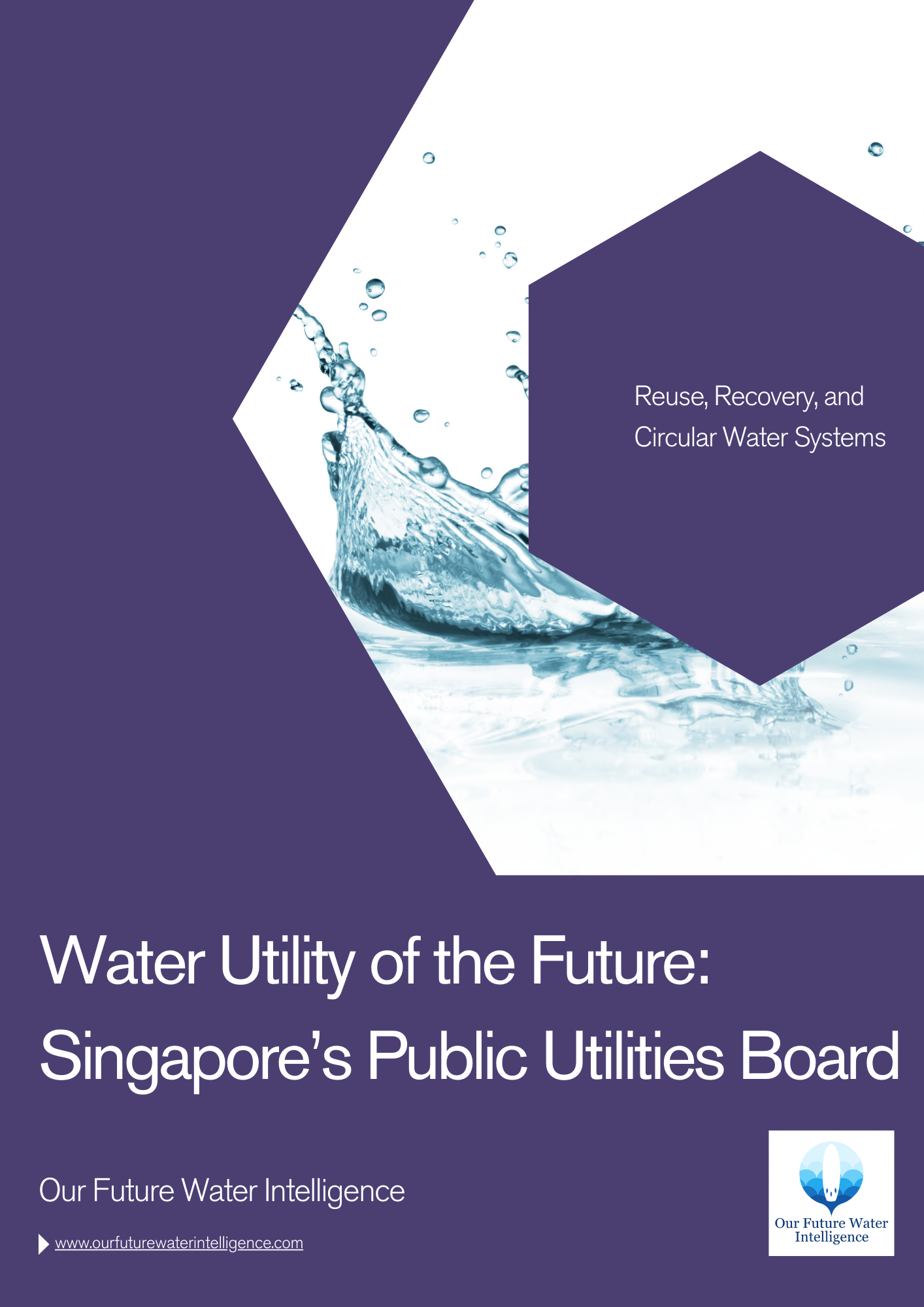
For a concise, system-level analysis of governance, infrastructure, and investment pathways, read the full report: Water Utility of the Future: Singapore’s Public Utilities Board.


