
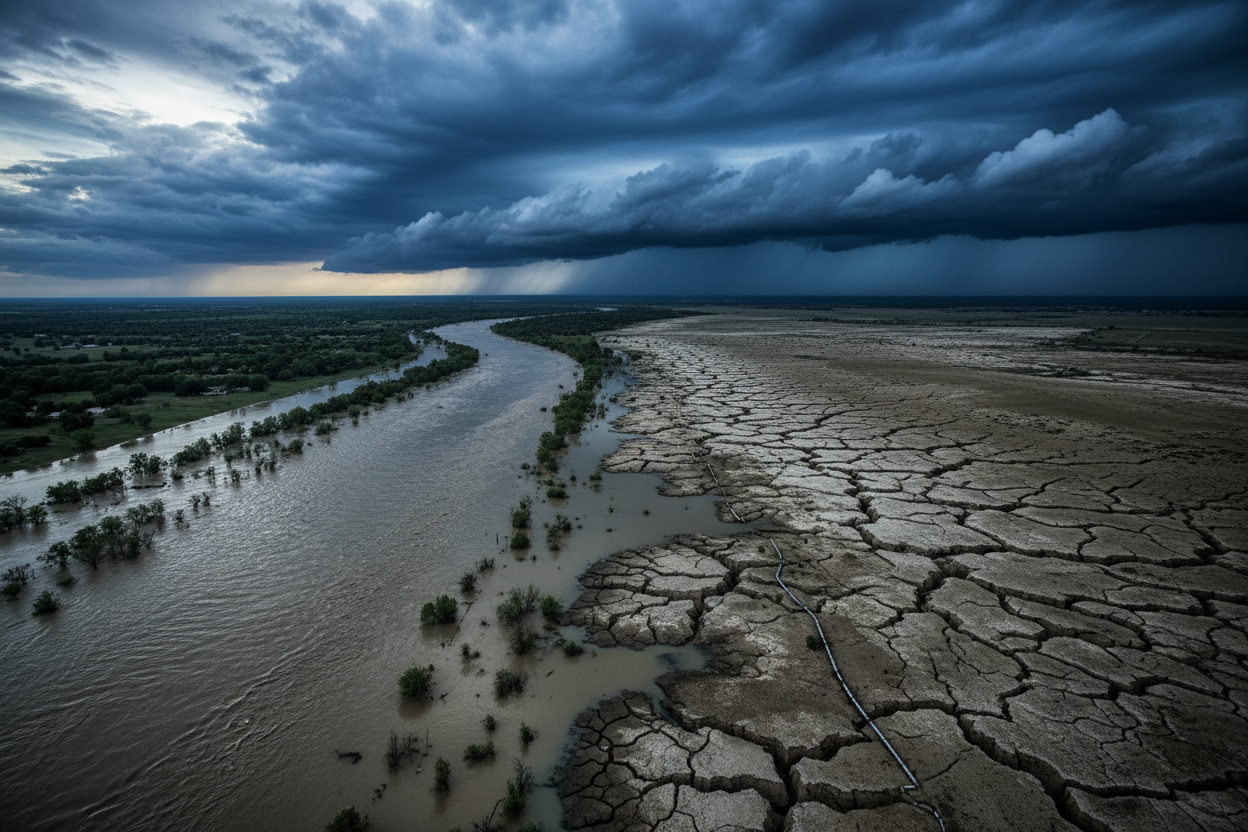
Climate Resilient Water Resources Management
Available intelligence reports
Select a report below to review its scope, price, and purchase options.
This report evaluates how the Department of Energy governs desalination, reverse osmosis, groundwater security, recycled water, strategic storage, integrated planning, demand management, and low-carbon infrastructure.
This report evaluates how Águas de Portugal aligns national water planning, bulk supply, wastewater services, drought resilience, desalination, digital loss control, energy efficiency, and European infrastructure finance.
This report evaluates how Office National de l'Électricité et de l'Eau Potable supports Morocco’s transition from rainfall-dependent supply toward desalination, water reuse, aquifer management, regional interconnection, and climate-resilient bulk water production.
This report evaluates how Kuwait protects and decarbonises a water system dependent on coastal desalination through renewable procurement, reverse-osmosis expansion, partnership delivery, asset resilience, demand management, and digital capability.
This report evaluates how Melbourne Water integrates bulk supply, desalination, recycled water, sewerage, floodplain management, catchment stewardship, infrastructure renewal, and lower-carbon operations.
This report evaluates how Singapore integrates climate-independent water supplies, coastal protection, flood management, reclamation infrastructure, and long-term capital governance.
Independent Thames Water analysis of drought, leakage, flood exposure, environmental performance, strategic resources and climate-resilient delivery.
This report evaluates how Muscat combines desalination, dam water, treated-effluent reuse, digital loss reduction, and flood management to strengthen climate resilience.

This report evaluates how Bahrain can strengthen a desalination-based water system while addressing subsidies, energy intensity, extreme heat, flooding, and sea-level risk.

This report evaluates how Kuwait can strengthen water resilience through pricing reform, demand management, lower-energy desalination, wastewater reuse, digital operations, and climate-responsive infrastructure.
This report evaluates how Riyadh can manage extreme water scarcity, climate risk, and rapid urban growth through desalination, reuse, green infrastructure, digital operations, and strategic storage.

This report evaluates how Dubai combines desalination transition, drainage resilience, water reuse, strategic storage, digital operations, and climate-aligned infrastructure investment.

This report evaluates how Doha combines desalination, strategic storage, digital loss control, groundwater reserves, drainage infrastructure, and nature-based flood management.
INTELLIGENCE FOR BUILDING WATER RESILIENCE IN A CHANGING CLIMATE
Intensifying floods, prolonged droughts, and accelerating sea-level rise are no longer tail risks — they are operational realities for water utilities, city planners, and infrastructure investors. The window for proactive adaptation is narrowing.
This collection delivers intelligence on climate resilience planning, risk assessment, and adaptive investment strategies across the full spectrum of water sector challenges: integrating nature-based solutions, stress-testing infrastructure against climate scenarios, redesigning systems for sustained climate pressure, and building the institutional capacity to manage risk at scale. Each report provides the depth and rigour that utility executives, climate risk advisors, and investors need to move from awareness to action.
Essential intelligence for decision-makers building long-term resilience into water infrastructure — before the next flood, drought, or climate shock makes the cost of inaction impossible to ignore.