
01
Executive overview
Why this report matters
Denver Water’s future operating model connects mountain resources, metropolitan demand and investment in long-lived assets. This report examines how treatment renewal, reservoir development, planned metering, energy generation and reuse interact with customer behavior and municipal governance. Its focus is the coordination required to turn separate initiatives into dependable service under changing resource conditions.
The assessment follows specific programs and decisions, including Northwater, Gross Reservoir, watershed protection, drought pricing and the carbon commitment. Readers can examine their different delivery stages alongside debt, financing channels and customer charges. A strategic roadmap identifies the operating and institutional evidence needed to judge implementation, with material qualifications integrated into the relevant findings.
June 2024 completion; commissioned capacity. Future expandability is a separate design option.
02
Buyer relevance
Who the report is for
- Utility executives and boards
- Infrastructure and climate-resilience teams
- Water policy and finance analysts
Connect the operating choices
Read storage, treatment, watershed protection, reuse and customer demand together to understand how different interventions can influence the same metropolitan service system.
Assess transition delivery
Distinguish completed treatment renewal from planned metering and reservoir development, and identify the operational and institutional evidence needed to assess each initiative’s contribution.
Follow resource and financial pressures
Connect drought response and conservation with customer charges, revenue effects and funding channels to assess the continuing financial requirements of infrastructure renewal and reliable service.
03
Decision scope
Questions answered
How does Denver Water connect its transition priorities?
The report connects treatment renewal, storage development, watershed protection, reuse and demand management with municipal governance and funding. Readers can assess how those mechanisms interact across the service system, with completed works distinguished from proposed capabilities and targets.
What could planned metering change?
The analysis examines the transition from existing automatic meter reading to planned cellular advanced metering. It explains the prospective connection between more frequent information, leak identification, customer response and drought management without assuming the rollout is already operating.
How do energy and reuse affect resource security?
Hydropower, efficient treatment and recycled water provide different mechanisms for managing external resource needs. The report considers their operating boundaries, published claims and future potential alongside the carbon target, preserving the separate energy-generation disclosures and their different scopes.
How can capital and customer funding support resilience?
The report examines capital-plan vintages, debt disclosures, bond financing, federal support and connection charges alongside drought pricing. It explains how conservation can influence revenue while long-lived infrastructure continues to require reliable funding, renewal and institutional oversight.
04
Inside the report
Inside the complete report
Executive Snapshot
1. From Service Provider to System Operator
2. System Intelligence and Digital Control
3. Energy, Carbon, and Resource Decoupling
4. Infrastructure Strategy for a Non-Stationary Climate
5. Customers, Demand, and the Water Prosumer
6. Governance, Regulation, and Institutional Reform
7. Capital Planning and Financial Architecture
8. Workforce, Capability, and Organisational Change
9. Strategic System Roadmap
Conclusion
Disclosure
05
Public preview
Core themes
A connected operating system
Denver Water links mountain resources with metropolitan demand through storage, treatment and distribution. Watershed protection and customer action connect upstream conditions with the reliability and financial requirements of urban service.
Different transition stages
Completed Northwater renewal, contested reservoir development and planned advanced metering address different operating needs. Their distinct delivery stages shape the evidence needed to assess progress and coordinate the utility’s future service model.
Energy and resource relationships
Hydropower, treatment efficiency, recycled water and reusable-water storage address different resource requirements. Their contribution depends on operating boundaries and demand served, with the carbon objective remaining a target requiring measured progress.
Demand and financial resilience
Drought restrictions and pricing connect conservation with revenue management. Rates, reserves, borrowing and connection charges have different functions within the financial architecture supporting infrastructure renewal and continuing metropolitan water service.
Conservation changes the funding equation
Denver Water’s drought response shows why a future utility must manage resource protection and financial capacity together. The same customer action can reduce demand while changing water-sales income.
Restrictions and the demand-reduction target define an intended operating response to resource pressure. Their contribution depends on the consumption pattern that follows and the service conditions under which customers are asked to conserve.
The temporary surcharge distinguishes essential indoor use from higher outdoor consumption. That connects the financial signal with the conservation objective while leaving the ordinary tariff and its continuing service-cost role visible.
Denver Water identified reserves and budget reductions alongside surcharge revenue to address lower sales. Those mechanisms connect short-term demand protection with the funding requirements of a system containing long-lived infrastructure and repayment obligations.
Read consumption, revenue and the use of reserves together when assessing the response. The connection shows how the utility supports conservation while maintaining its ability to fund service and renewal.
06
Included
What you receive
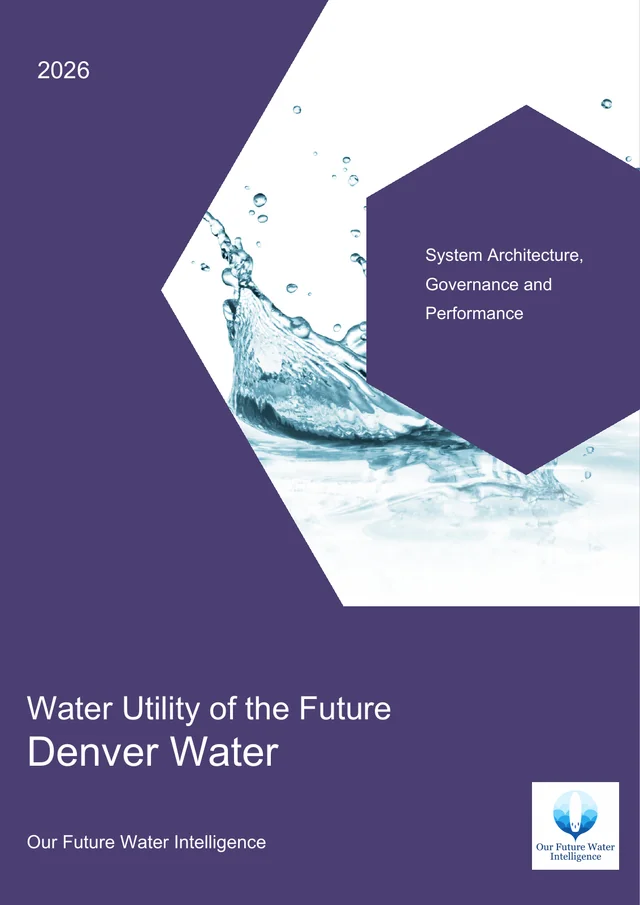
The complete Denver Water strategic report is supplied through protected access as a PDF.
System transition assessment
Analysis connects Denver Water’s resource chain, infrastructure programs and planned digital capabilities with the decisions shaping a more integrated operating model, retaining the actual delivery stage of each major initiative.
Climate and infrastructure strategy
The report examines watershed exposure, sediment, drought conditions, Gross Reservoir expansion and Northwater renewal, explaining how physical assets and institutional arrangements influence the utility’s options under changing resource conditions.
Customer and funding mechanisms
An assessment of drought pricing, conservation, metering, lead replacement and financing channels explains how customer relationships interact with the resources needed for service, public accountability and long-term infrastructure renewal.
A practical strategic roadmap
The forward assessment links project milestones, customer information, reuse, energy reporting and governance responsibilities with the operating evidence needed to judge implementation and its contribution to dependable metropolitan water service.
07
Evidence & method
Built for defensible decisions
The report uses official Denver Water publications on infrastructure, metering, reuse, energy, tariffs and governance, together with annual financial accounts, consumer water-quality reporting and identified regulatory statements. Each quantitative claim retains its published period and scope.
Analytical treatment
Analysis follows the relationships between resource conditions, physical assets, customer behavior and financing. Major developments are assessed at their documented delivery stage, while recommendations connect the operating and institutional mechanisms needed to judge implementation and service outcomes.
Evidence boundaries
The metering rollout and carbon objective remain forward commitments. Workforce capability data and emissions quantities are unavailable for a separate quantitative assessment. Capital-plan and energy disclosures retain their different vintages and boundaries; no independent modeling is performed.
08
Lead analyst
Our Future Water Intelligence
Water-system research and reference analysis.
09
Buyer FAQs
Before you purchase
What is the format and price?
The report is supplied as a PDF at USD 499.
How is the report delivered?
The paid edition is delivered privately through the website’s secure purchase flow.
Does the report treat AMI as operational?
No. It distinguishes existing automatic meter reading from the planned advanced metering rollout and its intended service benefits.
How does this differ from the Utility Intelligence Profile?
This report develops the system transformation question through digital control, resource relationships, climate strategy, customer participation, governance, finance and a strategic roadmap.
What usage rights are included?
The source publication does not state reuse permissions. Contact the publisher for permission to redistribute the report.
10
Water Utility of the Future: Denver Water
- Format
- Length
- 13 pages
- Edition
- October 2026 (corrected 23 October 2026)
- Price
- USD 499
11
Report details
Publication details
- Publisher
- Our Future Water Intelligence
- Report family
- Water Utility Intelligence Report
- Report type
- Water Utility of the Future
- Edition
- October 2026 (corrected 23 October 2026)
- Format
- Length
- 13 pages
- Reference
- OFW-WUOF-DENVER-20261023-r3
14
Explore this report family
More Water Utility of the Future reports
Explore the same report family covering other utilities.
Water Utility of the Future
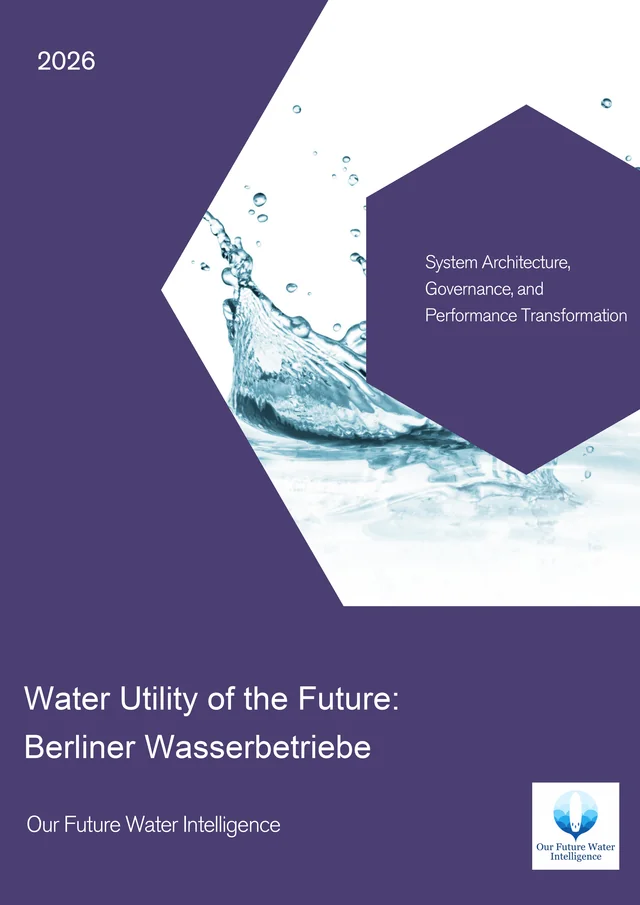
Water Utility of the Future: Berliner Wasserbetriebe
- Geography
- Berlin, Germany
- Edition
- 2026 · v3
- Length
- 19 pages
Water Utility of the Future
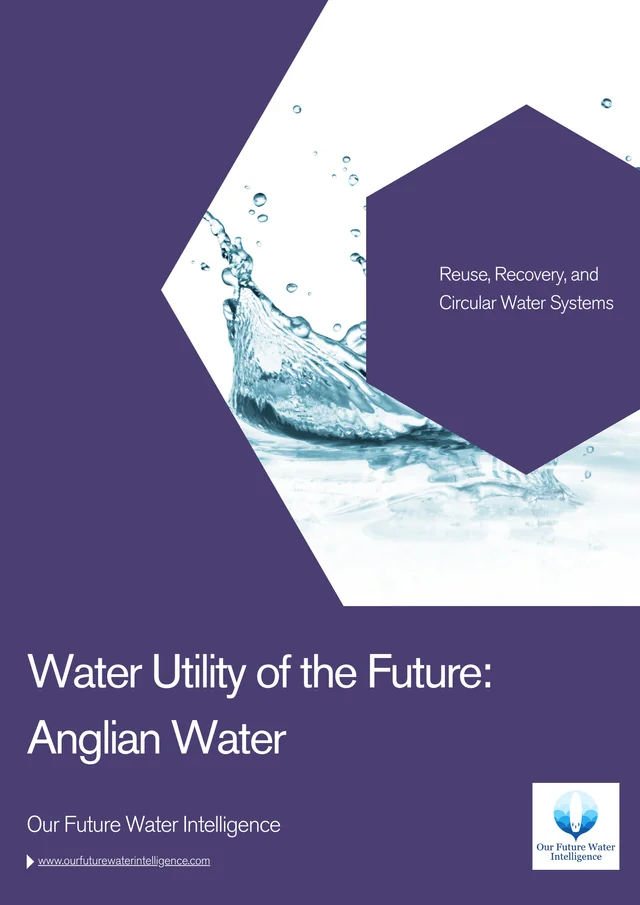
Water Utility of the Future: Anglian Water
- Geography
- United Kingdom, Europe
- Edition
- 2026
- Length
- 26 pages
Water Utility of the Future
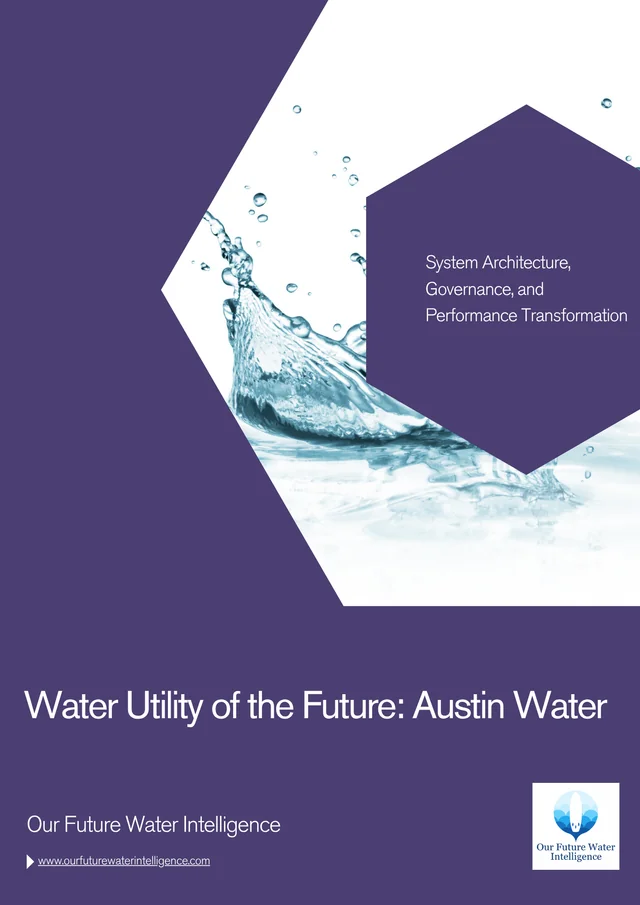
Water Utility of the Future: Austin Water
- Geography
- United States, North America
- Edition
- 2026
- Length
- 20 pages